

Let us delve into the world of companion planting, an age-old gardening technique that utilises the power of nature to promote healthier, more productive gardens. Understanding the principles of companion planting can elevate your gardening experience to new heights.
What is companion planting?
Companion planting is a gardening method where different plant species are grown near one another to enhance growth, deter pests and maximize yields. This ancient practice is based on the idea that certain plants can benefit from each other's proximity through various mechanisms, such as nutrient sharing, pest control and habitat provision.
Benefits of companion planting
The benefits of companion planting are numerous:
- Natural pest control: Some plants release compounds that repel pests or attract beneficial insects, effectively reducing the need for chemical pesticides.
- Improved pollination:Certain plant combinations attract pollinators like bees and butterflies, promoting better pollination and higher yields.
- Enhanced soil health: Companion plants can work together to improve soil structure, fertility and moisture retention.
- Space optimization:By strategically pairing plants with complementary growth habits, gardeners can maximize space and increase overall productivity.
Examples of companion planting
Let's explore some classic examples of companion planting:
- Tomatoes and basil: This classic duo not only complements each other in the kitchen but also in the garden and you even eat them together! Basil repels pests like aphids and mosquitoes, while enhancing the flavour of tomatoes. Plant basil around your tomato plants to improve their growth and flavour.
- Mielies, beans and squash (The Three Sisters): This is a long practiced traditional companion planting technique. Mielie plants provide support for climbing beans, beans fix nitrogen in the soil and squash acts as a living mulch, suppressing weeds and retaining soil moisture. Together, they create a harmonious ecosystem that maximises yields.
- Marigolds and vegetables: Marigolds are renowned for their pest-repelling properties, particularly against nematodes, aphids and other common garden pests. Interplanting marigolds with vegetables like tomatoes, peppers and cucumbers can help protect them from pests and diseases.
- Lettuce and radishes: Radishes are quick-growing and help break up compacted soil, making it easier for delicate lettuce roots to penetrate and access nutrients. Planting radishes alongside lettuce not only improves soil structure but also acts as a natural pest deterrent for both crops.
- Rosemary with brassicas: Strongly scented herbs like rosemary can help deter pests from brassica crops such as cabbage, broccoli and kale. Planting these herbs nearby can help repel cabbage moths, aphids and other common brassica pests.
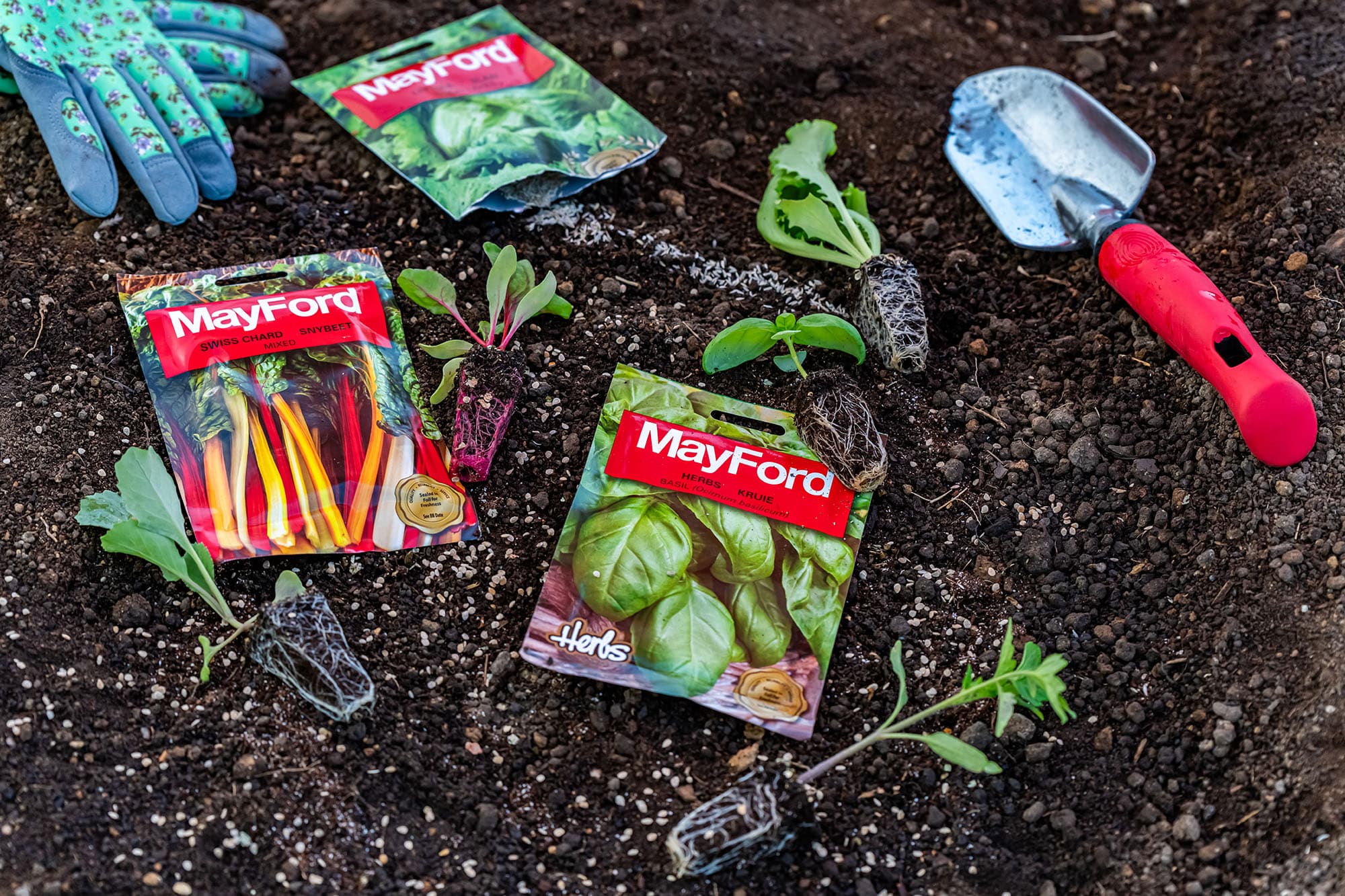
Get started with companion planting
Incorporating companion planting into your garden is easy and rewarding. Start by researching plant combinations that are suitable for your climate and soil conditions. Experiment with different pairings to find what works best for your garden.
Remember to consider factors such as plant spacing, sunlight requirements and compatibility when planning your garden layout. With a bit of creativity and experimentation, you can create a thriving ecosystem where plants support each other's growth and vitality.
Explore our wide selection of high-quality seeds and embark on your companion planting journey today.