

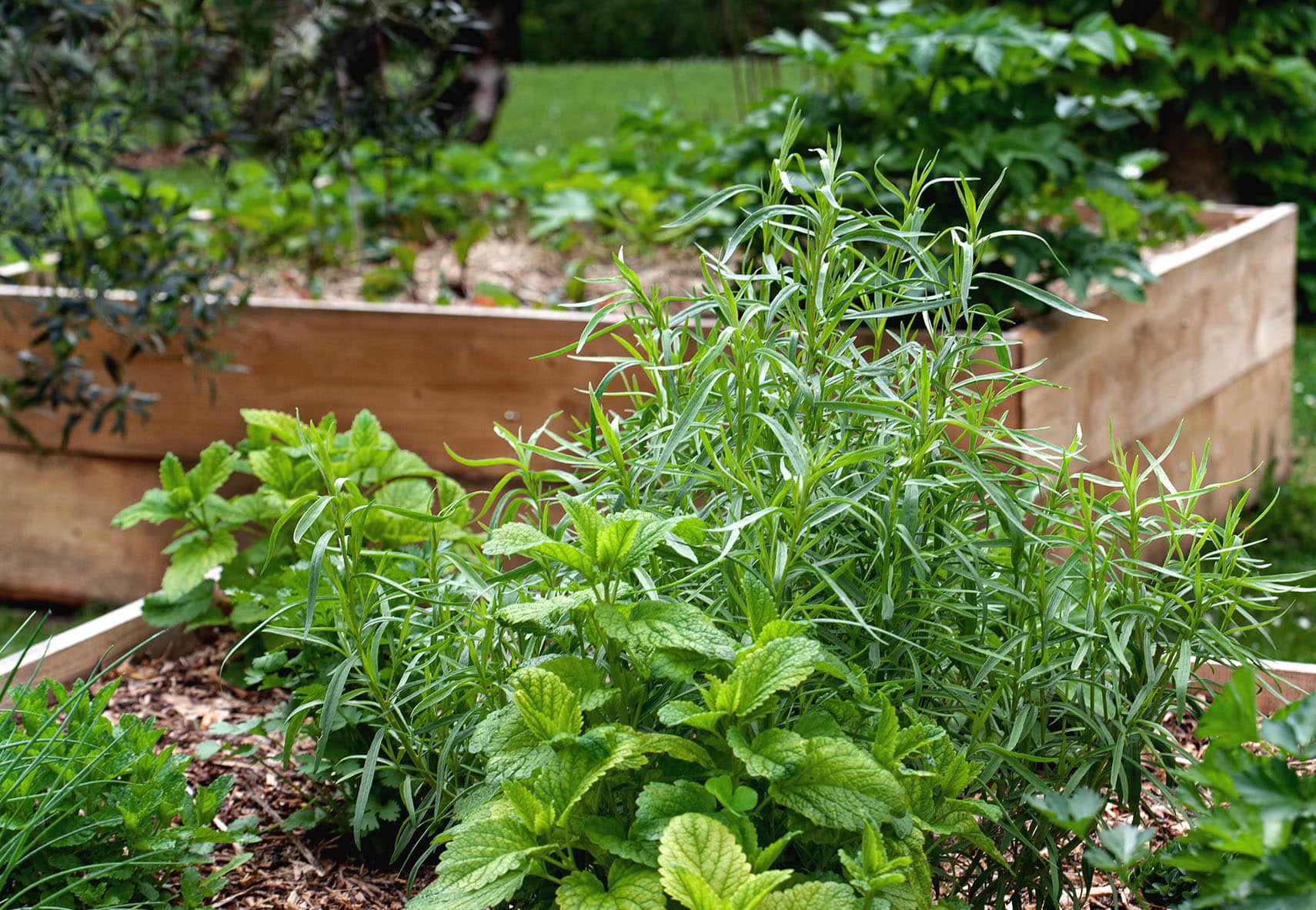
The benefits of having your own herb garden
Growing herbs at home offers a multitude of benefits for both culinary enthusiasts and gardeners alike:
- Fresh flavour: Nothing compares to the vibrant flavour and aroma of freshly harvested herbs. With your own herb garden, you'll have access to a constant supply of flavourful herbs to elevate your dishes.
- Cost-effective: Buying fresh herbs from the store all the time can be expensive, especially for specialty varieties. By growing your own herbs, you can save money and enjoy a continuous supply of fresh herbs at your fingertips.
- Health benefits: Many herbs are prized for their medicinal properties and nutritional value. Incorporating fresh herbs into your diet can boost immune function, aid digestion, and promote overall well-being.
- Environmental impact: Growing your own herbs reduces reliance on store-bought produce, which often comes with excessive packaging and transportation emissions. By cultivating herbs at home, you're reducing your carbon footprint and contributing to a more sustainable lifestyle.
Sowing seeds: getting started
Getting your herb garden started is easier than you think. Follow these simple steps to sow your herb seeds and kickstart your garden:
- Choose your herbs: Select herbs that suit your taste preferences, culinary needs and growing conditions. MayFord Seeds offers a wide range of herbs to choose from, including various basils, parsley, thyme, lavender, rosemary and lemongrass among others.
- Select planting containers: Choose containers with good drainage, such as pots, trays or seedling trays. Ensure that your containers are clean and sanitized before planting.
- Sow seeds: Follow the instructions on the seed packet for optimal planting depth and spacing. For herbs that thrive in warmer climates, you can start the seeds indoors during the cold seasons. Place the seeds on the soil surface and lightly press them into the soil.
- Provide adequate light: Place your herb containers in a sunny location that receives at least 6 hours of direct sunlight per day. If growing indoors, place your containers on a sunny windowsill or under grow lights to provide sufficient light for healthy growth.
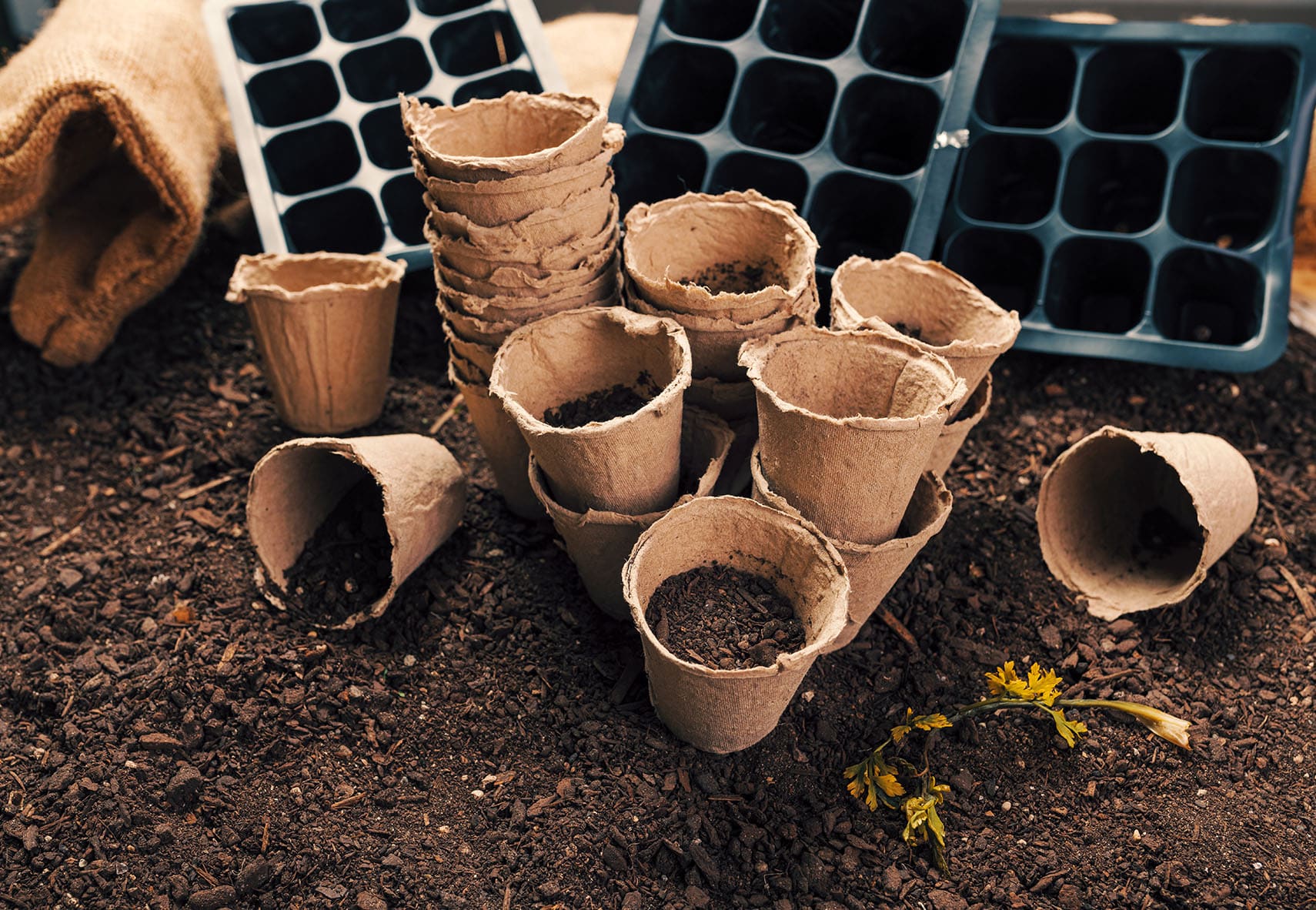
Maintaining your herb garden
Once your herb garden is established, it's important to provide proper care and maintenance to ensure healthy, robust plants:
Watering: Herbs prefer well-draining soil that is evenly moist but not waterlogged. Water your herbs regularly, allowing the soil to dry out slightly between waterings.
Fertilising: Feed your herbs with a balanced, water-soluble fertilizer as frequently as the fertiliser packaging indicates during the growing season to promote healthy growth and vigour.
Pruning: Regularly prune your herbs to encourage bushy growth and prevent them from becoming leggy. Harvesting herbs also stimulates new growth and prolongs the harvesting season.
Pest and disease control: Keep an eye out for common pests and diseases that may affect your herbs, such as aphids, powdery mildew, or fungal infections. Promptly address any issues with organic pest control methods or fungicides, if necessary.
Remember, the journey of herb gardening is not just about the end result, it's about the joy of nurturing plants, connecting with nature and savouring the fruits of your labour. Happy gardening, and may your herb garden flourish abundantly!