

Maintaining a lush, vibrant lawn is a desire shared by many homeowners, but it's not always an easy. From pesky weeds infiltrating your green space to the delicate balance of irrigation and traffic management, various challenges can hinder the health and appearance of your lawn. However, with the right knowledge and solutions, you can overcome these obstacles and achieve the lawn of your dreams.
In this comprehensive guide, we'll delve into common lawn problems faced by homeowners and provide practical solutions to tackle them effectively.
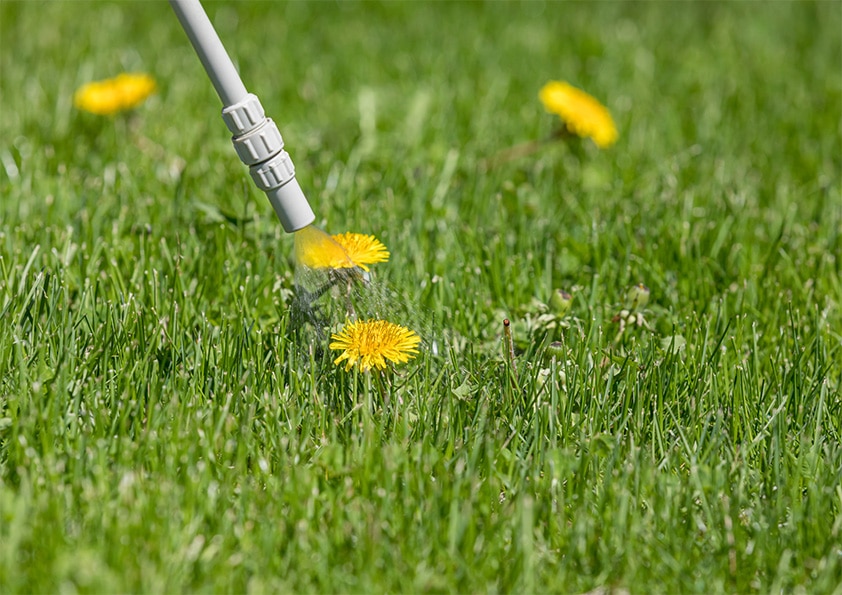
1. Removal of weeds
It is best to spray the existing grass with a non-selective weed killer, such as glyphosate. Ask a chemical supplier for trade names. Glyphosate is absorbed by the leaves and translocated to the roots. It does not have a residual effect in the soil. This type of herbicide kills anything green, thus, take caution and be careful when you spray.
Wait for a week or two for the grass to go completely brown before removing. You may need to spray more than once.
Remove the dead grass by mowing on your lowest setting and then digging out the rest.
Maintaining a healthy lawn through proper watering, fertilization, and aeration can help prevent weeds from taking hold. Healthy grass is better able to compete with weeds for nutrients, sunlight, and water.
Also note that regular mowing can help keep weeds in check by preventing them from flowering and setting seeds. Set your mower to the appropriate height to avoid stressing your grass and allow it to shade out weed seedlings. (See “Mowing your lawn” advice)
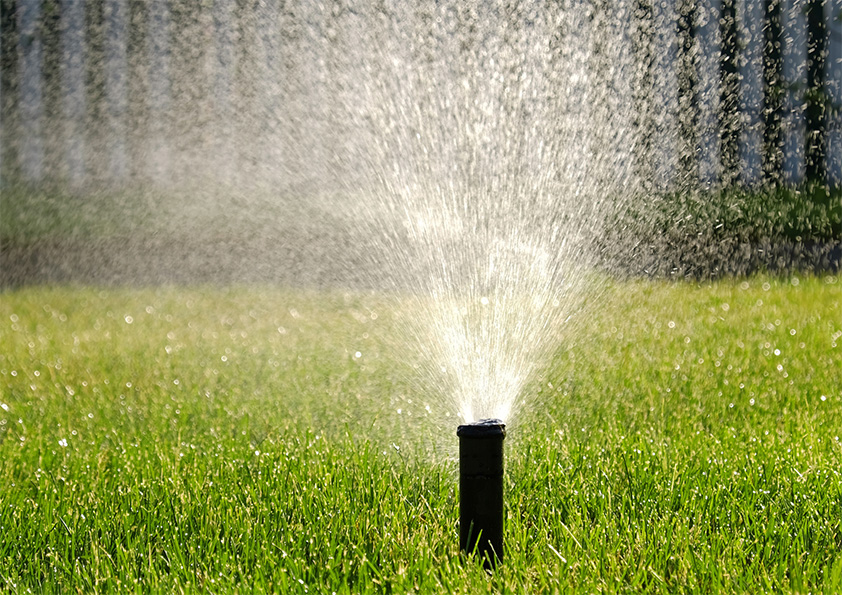
2. Irrigating my newly sown lawn
A few factors influence the amount of water required in the early stages:
- Weather The higher the temperature, the more frequently you need to irrigate.
- Position Sunnier areas dry out more quickly and need more frequent irrigation.
- Soil type Sandy soil dries out quickly. It needs more frequent irrigation.
Clay soil holds water and tends to be over irrigated. Our general recommendation (taking the above into consideration):
Irrigate twice a day:
- In the early morning for approx. 10 minutes (4-6mm)
- At noon for approx. 6 minutes (2-3mm)
Look out for:
- It should be avoided as they indicate saturation of the soil and no oxygen to the roots.
- Top 2cm must stay moist. This is essential until the plant develops a root system.
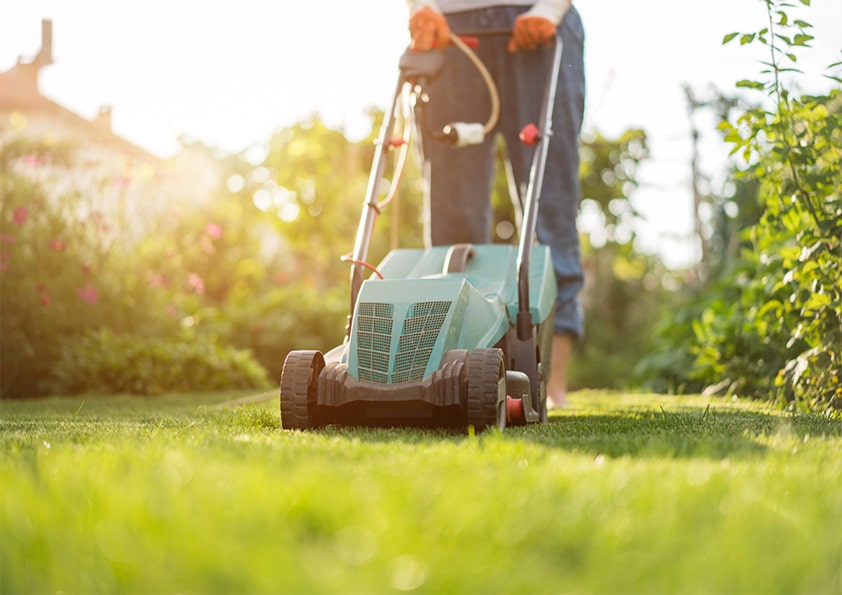
4. Mowing your lawn
Shade areas: When grass is growing in the shade it is essential that the cutting/mowing height be lifted to about 6 cm. This is because the plant needs an increased leaf area to intercept as much light as possible in order to photosynthesise adequately. Remember that photosynthesis is the process by which the plant converts sunlight energy into plant energy. It is the only way the plant can synthesise (make) food. The plant is programmed to maximize its leaf area, so it naturally assumes a more upright growth habit to intercept more light.
Fertiliser is important for allowing the plant to function and grow properly.
A plant growing in the shade also manufactures extra chloroplasts (those organelles in the cells containing Chlorophyll which catches the sunlight. It is the extra chlorophyll (green pigment) in the cells that make a plant that grows in the shade greener as opposed to plants growing in a sunnier location.
Mowing too short cancels out the plants ability to adapt to shade conditions.
There is a limit as to how much shade even a shade grass can tolerate. You may need to call in an arborist to thin out your tree a bit to allow more sunlight in the area.
Sunny areas: You can mow your grass shorter in the sun, provided that you remember the 1/3 rule. The 1/3 Rule for all grasses is to never remove more than a third (1/3) of the leaf length at a time. Assuming you don’t want to mow more than once a week, you shouldn’t mow shorter than 4 cm. You could mow down to 2 cm but then you will have to mow twice a week in the growing season. This applies to Kikuyu grass too, which explains why it often deteriorates.
Another reason for keeping the cutting height on the long side is that longer blades support deeper roots.
What type of Mower? A rotary mower works best because it doesn’t flatten the grass while mowing. Many rotary mowers can be adjusted to mow at 6 cm. If your mower can’t be adjusted to mow at a high length, consider changing your mower.
5. Damaged patches
Bunch grasses do not heal themselves after damage has occurred. The damage may cause the grass plant (bunch) to die. This would cause the lawn to become spares or patchy looking.
Damage that may occur would include:
- Leaf and/or plant scorching caused by the urine of dogs. Female dog urine seems to have a harsher effect.
- Heavy traffic in specific areas.
- The tree canopy is too dense. It is best to call an Arborist to thin out the tree canopy.
- Mowing the lawn at an incorrect mowing height. When the lawn is thinned out, inter-seeding is the only way to correct it.
Repairing damaged patches in the lawn through inter-seeding involves the following steps:
- Remove the damaged or deceased grass from the affected area.
- Gently cultivate the soil to alleviate any compaction present.
- Ensure the area is level with the rest of the lawn.
- Sow the seeds evenly and keep the soil moist until germination is complete.
- Mow the area as you normally would.
- Proceed with standard lawn care practices thereafter.
Remember, achieving and maintaining a beautiful lawn requires patience, diligence, and a willingness to adapt to changing conditions. By implementing the tips and strategies outlined in this guide, you'll be well-equipped to overcome challenges and cultivate a lawn that flourishes year-round!
